Water mist can suppress airborne dust, but spray carryover can corrode a roof fan, foul its impeller and create an electrical hazard. You will be able to separate the fan’s extraction duty from the anti-smog gun’s dust-control duty, establish a safe maintenance routine, diagnose airflow loss and specify equipment for Mumbai’s wet, saline rooftop conditions.
Key takeaways
- Keep the anti-smog plume outside the fan inlet, outlet and service side.
- Stop, isolate and clean the fan before restarting after mist exposure.
- Measure airflow, pressure, motor current and vibration before changing equipment.
- Specify duty, weather protection and safe service access before you buy.
Keep the mist out of the fan’s airflow path
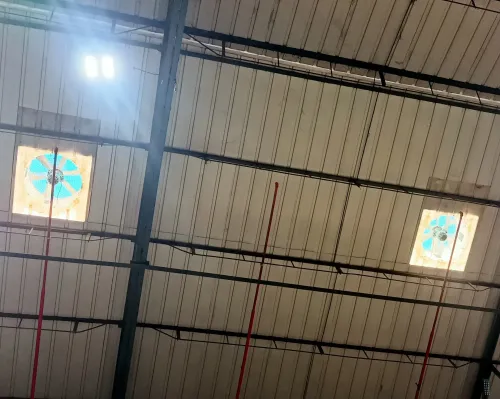
Place the anti-smog gun where its plume settles dust without crossing the roof exhaust fan’s inlet, outlet or service side. Direct spray can wet the impeller, motor and electrical terminations; dissolved solids then form deposits that cause imbalance, corrosion and insulation leakage.
Before fixing the gun, check the plume under normal wind and fan operation:
- Keep the spray away from the fan inlet and discharge path.
- Prevent mist from recirculating into roof-mounted air intakes or evaporative coolers.
- Check neighbouring buildings so their doors, windows and intake openings do not receive the plume.
- Leave enough clearance to inspect and clean the fan without moving the gun.
Treat the two machines as separate systems. The anti-smog gun suppresses airborne dust; the roof exhaust fan removes air and contaminants. Water mist does not control carbon monoxide, nitrogen oxides or solvent vapours.
Keep doors, louvers and make-up-air openings available so replacement air can enter the building. A closed door, blocked louver or loaded filter creates negative pressure, reducing fan airflow even when the fan is healthy. Measure extraction after positioning the gun; do not increase spray toward the fan to compensate for poor building airflow.
Use a shutdown, cleaning and restart routine
Run the inspection weekly during anti-smog-gun operation and after severe rain; shorten the interval if wet dust, salt deposits or vibration appears. Record findings so roof exhaust fan maintenance tracks deterioration instead of relying on appearance.
1. Stop the fan and anti-smog gun. Isolate the electrical supply, VFD, timer, pressure sensor and building-management control circuit, then lock and tag each source. Verify zero energy and wait for the impeller to stop; wind or airflow can turn it after shutdown.
2. Inspect the motor, terminal box, cable entries, guards, housing and roof curb for water ingress, corrosion and loose fasteners. Check belt tension and alignment, bearing noise and temperature, impeller cleanliness, blade damage, hub security, damper movement and abnormal vibration.
3. Remove wet dust and scale from the impeller, guard, cowl and discharge path using a method that does not drive water into the motor or bearings. Flush anti-smog-gun lines, inspect nozzles, clean filters and treat the water according to its hardness, total dissolved solids and biological condition.
4. Lubricate bearings only to the manufacturer’s schedule and grease specification. Over-greasing can raise bearing temperature and damage seals.
5. Restore guards, drainage and covers before removing locks. Restart the fan, then the gun, and check rotation, vibration, bearing temperature, motor current, leakage and airflow against the baseline. Stop immediately for rubbing, insulation smell or renewed water entry.
Trace airflow symptoms with measurements, not guesses
Low extraction belongs to the fan only after you compare airflow, pressure and operating conditions at the same time. Use this method for industrial roof fan airflow problems:
- Record fan speed, direction of rotation and motor current.
- Measure airflow in cubic metres per hour at the fan or duct.
- Measure static pressure at the fan inlet and outlet.
- Measure differential pressure across each filter or scrubber.
- Note damper position and confirm that make-up-air louvers are open.
A low airflow reading with high system pressure points to blocked filters, closed dampers, undersized openings or closed doors. The fan is facing building resistance, not necessarily failing. A low motor current with low airflow can also indicate an airflow restriction.
Low airflow with abnormal vibration, wet deposits, damaged belts or incorrect rotation points to the fan. High current indicates excessive flow, wrong rotation, mechanical drag or an electrical fault; stop the fan before overheating occurs.
If fan readings are normal but extraction falls when the anti-smog gun runs, inspect plume direction and recirculation. Mist entering the fan inlet, a roof intake or a neighbouring building can distort the airflow path. Check fan speed changes carefully: airflow varies with speed, pressure with speed squared and power with speed cubed.
Protect rooftop equipment through Mumbai’s wet seasons
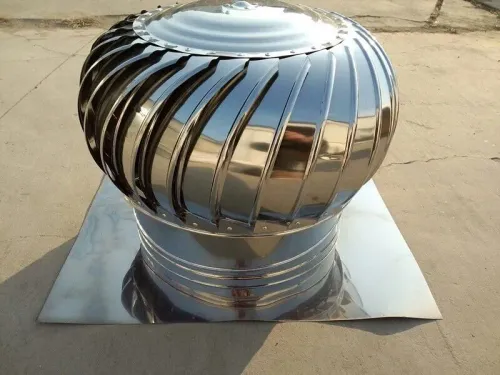
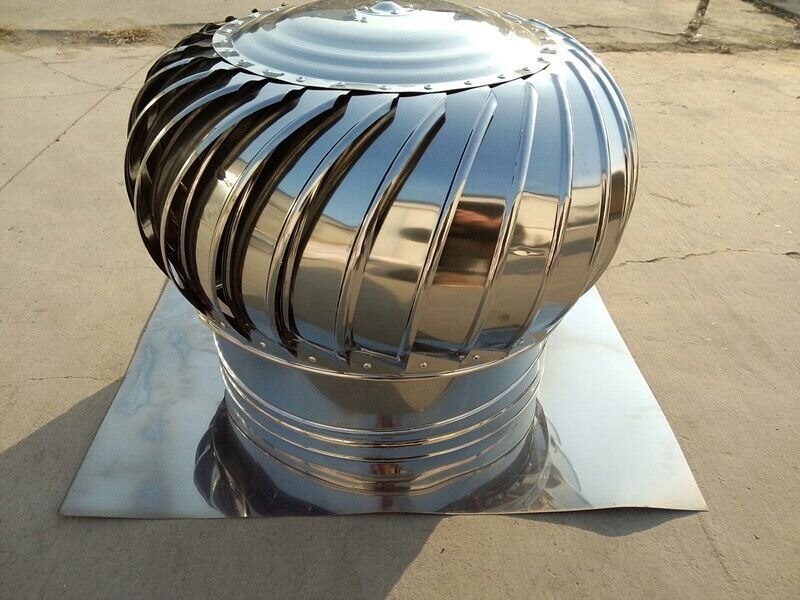
Use a weather hood, sloped surfaces and clear drainage to keep monsoon rain and spray mist away from roof exhaust equipment in Mumbai. Position the anti-smog gun outside the fan’s intake plume; wetting the motor or impeller carries dissolved salts into bearings, belts and electrical joints.
- Fit a motor enclosure and cable glands suited to the site exposure, with downward-facing cable entries and drip loops. Inspect terminal boxes for condensation, salt deposits and insulation damage.
- Check sealed bearings for noise, heat, corrosion and correct lubrication. Do not over-grease; follow the bearing manufacturer’s interval.
- Keep belt guards fitted, then check belt tension, alignment and cracking after severe rain. Replace belts contaminated with water, oil or hardened deposits.
- Use corrosion-resistant fasteners and inspect the impeller, hub, casing and guards for pitting or wet dust buildup. Wash deposits with clean water and dry the assembly before restarting.
- Seal the roof curb, flashing and cable penetrations with compatible weatherproof materials. Clear drain paths so standing water cannot reach the shaft or building interior.
Plan roof exhaust fan with anti smog guns maintenance in Mumbai around the monsoon service cycle, with an inspection after exceptional rainfall. Test vibration, bearing temperature, motor current and airflow after cleaning; a dry-looking cowl does not prove the equipment is protected.
Know when extraction capacity or the fan arrangement is wrong
An existing roof exhaust fan has enough capacity only when measured airflow meets the required cubic metres per hour at the system’s actual static pressure in pascals. Compare readings at the fan inlet and discharge with the specified duty point; a motor’s horsepower or a fan’s diameter proves nothing by itself.
Low airflow at the correct speed points to blocked paths, excessive resistance or an undersized fan.
Choose direct drive for a clean, moderate-temperature airstream when compactness and lower belt maintenance matter. Choose belt drive when you need speed adjustment, a motor isolated from the contaminated airstream, or easier motor replacement. Budget for belt tension, alignment and guard access; a neglected belt drive loses capacity quickly.
A roof fan is the wrong extraction device when the contaminant is a gas rather than suspended dust. An anti-smog gun captures particles, not carbon monoxide, nitrogen oxides or solvent vapours. Select a separate treatment system for those hazards.
Reject a standard roof fan when the stream is corrosive, sticky, abrasive, explosive or hotter than the fan and motor ratings. Specify compatible materials, temperature limits and containment before connecting it to an anti-smog gun.
Specify the duty and service access before you buy
Do not accept a quotation that gives only fan diameter or motor horsepower. For roof exhaust equipment in Mumbai, make the installer state the duty point, service conditions and access arrangement in writing before fabrication.
1. Ask for the design airflow in cubic metres per hour and static pressure in pascals at the fan inlet and discharge. Require the specified air temperature, dust loading, corrosive exposure and noise limit; otherwise you cannot compare the selection with the actual process.
2. Ask which motor enclosure and IP protection class are provided, how rain is excluded, where water drains, and how cable entries, shaft seals, fasteners and roof penetrations resist monsoon water and coastal salt.
3. Require a service drawing showing safe access to the impeller, guards, belts, bearings, motor and electrical terminals without standing in the anti-smog gun’s spray path. Include cleaning clearances, isolation points, lifting provisions and the roof load.
4. Put roof exhaust fan maintenance into the handover documents: inspection intervals, lubrication points, cleaning method, filtration and flushing requirements, spare-nozzle availability, and the water-treatment method based on a water analysis.
5. Specify acceptance-test measurements for airflow, static pressure, motor current, vibration and noise at the commissioned operating point. Vayuvents Private Limited can review these duty and access details as part of a fan specification, rather than selecting equipment from a nominal size alone.
Related products
 | The efficiency of Conventional Ventilators is dependent on wind velocity. View product → |
 | Get A Clean Environment With Electrically Operated Roof Extractor Fan Electrically Operated Roof Extractor Fan is a device that takes in air from... View product → |
Frequently asked questions
Where should you place an anti-smog gun near a roof exhaust fan?
Place it so the mist settles dust without crossing the fan’s inlet, outlet or service side. Direct spray can wet the impeller, motor and electrical terminations.
What should you do after mist enters a roof exhaust fan?
Shut down and isolate the fan, inspect for moisture and deposits, clean the affected parts, and confirm electrical and mechanical condition before restarting.
How do you diagnose industrial roof fan airflow problems?
Measure airflow, static pressure, motor current and vibration, then compare the readings with the fan’s specified duty. Check for blocked paths, dirty blades, damper faults and belt or motor problems.
How can you protect rooftop exhaust equipment during Mumbai’s wet seasons?
Keep spray out of the fan path, inspect drains and weather seals, remove salt and dust deposits, and provide safe access for cleaning and electrical checks.
Related products
 | Roof Ventilator Motorized Roof Ventilation Fans Vayuvents Private Limited manufacturing and exporting high quality Motorized Roof Exhaust Fans worldwide. View product → |
 | Roof Ventilator Vayuvents Private Limited is India’s leading Industrial Electric Ventilator exporters. View product → |
 | Exhaust Fan , Poultry Exhaust Fan, Greenhouse Exhaust Fan move and refresh the stagnant air in your greenhouse or building to create a healthier and... View product → |