Choosing an air pollution control system requires more than identifying that a process produces fumes or contaminants. Different pollutants behave differently, which is why a Wet Fume Scrubber and a dry filtration system are not interchangeable solutions.
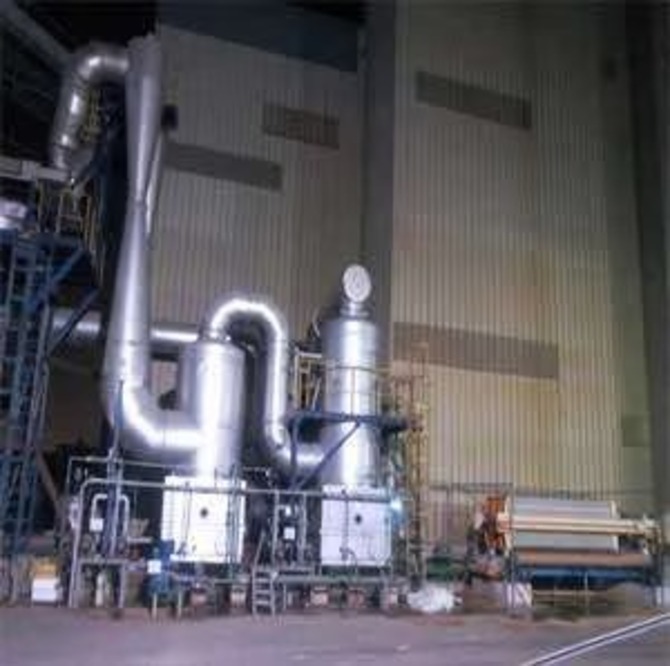
A wet scrubber generally brings contaminated gas into contact with a liquid. Depending on the pollutant and scrubber design, this interaction can help capture particles or absorb certain gaseous contaminants. Dry filtration, by comparison, generally captures particulate matter using suitable filter media.
The right approach therefore depends primarily on what needs to be removed.
Wet scrubbing may be considered for processes involving certain fumes, gases, vapours or contaminants that can be effectively treated using an appropriate scrubbing liquid. It can also be useful where temperature reduction or simultaneous gas and particulate control is relevant to the application.
Dry filtration is often better suited to applications dominated by dry particulate matter where the selected filter media can effectively capture the dust.
Before making a decision, industrial users should compare several factors.
Nature of the contaminant: Is the process producing dry dust, mist, fumes, soluble gases or a combination of contaminants?
Concentration: The contaminant loading influences equipment size, operating conditions and maintenance needs.
Gas temperature: High-temperature exhaust streams may require conditioning or suitable equipment design.
Waste handling: Wet systems create a liquid or sludge stream that needs appropriate management. Dry systems create collected dust and eventually used filter media.
Maintenance: Pumps, nozzles and liquid circulation components in wet systems require inspection, while dry filtration systems require attention to filters, cleaning mechanisms and dust discharge arrangements.
Pressure drop and energy: Both technologies create resistance in the airflow system. The associated fan or blower must be selected accordingly.
For manufacturing and process industries in Mumbai, space can also influence equipment selection. Older industrial premises may have restricted areas available for pollution-control equipment and ducting. Layout planning therefore needs to happen alongside equipment selection.
Corrosion is another important issue in wet scrubbing applications. The combination of moisture and process chemicals can create demanding conditions, making material selection an important design decision.
Businesses should also avoid choosing equipment purely on initial purchase cost. Operating expenses can include electricity, water, chemicals, waste handling, consumables and maintenance. Looking at these costs over the expected operating period gives a more useful comparison.
Vayuvents Private Limited works with industrial air pollution control requirements and can evaluate application parameters when businesses are considering a Wet Fume Scrubber in Mumbai.
Neither wet nor dry technology is universally better. A dry collector can perform extremely well for the right particulate application, while a properly designed scrubber may be more appropriate for certain gaseous or fume-control requirements.
The decision should begin with process information and contaminant characteristics. Once these are understood, airflow, removal requirements, available space, materials and operating costs can be evaluated systematically. This approach helps industries choose equipment around the actual pollution-control problem rather than selecting a technology first and trying to adapt the process around it.